Σάββατο 25 Ιουνίου 2016

Oι Έλληνες του Ouarzazate (Μαρόκο)


Η εγκατάσταση των πρώτων Ελλήνων στο Μαρόκο χρονολογείται στις αρχές του 20ου αιώνα και αφορά στη συντριπτική τους πλειοψηφία άτομα που έφυγαν από τη Λέσβο. Αρχικά η πλειοψηφία των Ελλήνων κατοικούσε στη Casablanca, όπου το 1917 καταγράφονται 400 άτομα. Σταδιακά, οι Έλληνες αποφάσισαν να κινηθούν προς το εσωτερικό και εγκαταστάθηκαν ακόμη και στα πιο απομακρυσμένα σημεία της χώρας, όπως η πόλη Ouarzazate στα νότια, δίπλα στην έρημο Σαχάρα.
Μερικοί από τους πρωτοπόρους ήταν οι Εμμανουήλ Μανωλιός, Παναγιώτης Αντωνίου και Γραμματική Μανωλιού από το Πλωμάρι , ο Δημήτρης Κατρακάζος από τη Λήμνο και οι Αντώνης Ρείσης, Δημήτρης Βοσνέκης και Ε. Λινάρης.


Les Grecs au Maroc 1904-2016 (deuxième édition)

Quatre ans après la première édition, nous revenons sous un autre angle sur l’histoire de la communauté grecque du Maroc. Au cours de cet intervalle, des éléments nouveaux et tout particulièrement intéressants sont ressortis. Il était nécessaire de les mettre en valeur. Du reste, le travail de l’historien est d’être constamment en quête de sources supplémentaires qui apporteront de nouveaux éléments à son travail scientifique. Cette fois bien sur la version modifiée est parue en français. Une langue que la majorité des Grecs du Maroc, en particulier la deuxième, la troisième et la quatrième génération maitrise. Ainsi d’une part cela permettra à tous ceux qui ne sont pas en mesure de lire la première version en grec de la lire en français et de l’autre de faire connaitre l’histoire des Grecs du Maroc dans le monde francophone

The Greek railway workers in Mozambique in the late 19th century.


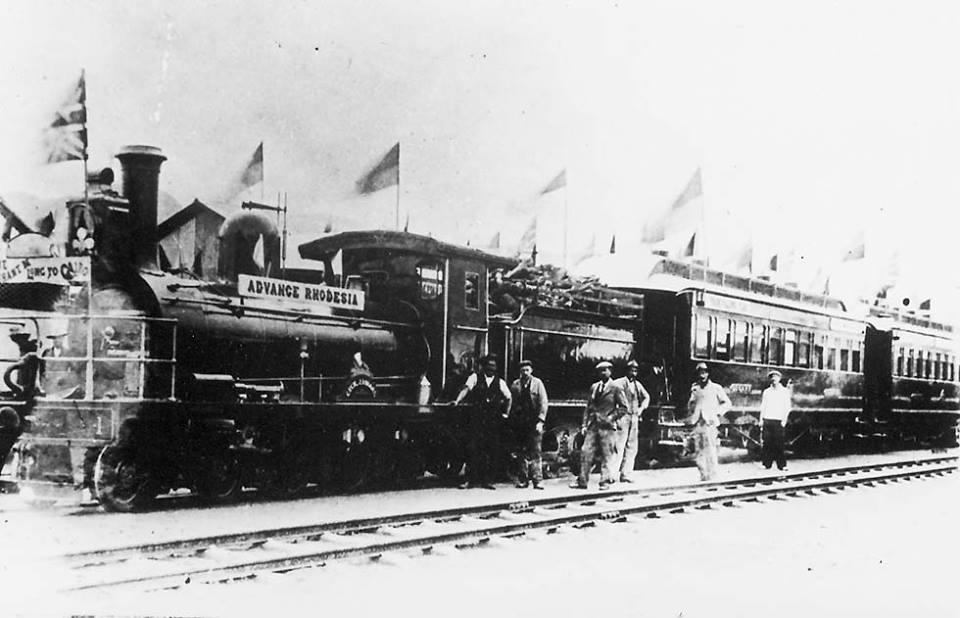
Most Greeks who arrived in Beira in the late 19th century worked in the construction of the railway line, under the control of the Rhodesian Railways company which was then renamed to "Caminhos de Ferro de Mocambique". The works began in 1891 and the railway line that started from the port of Beira would terminate in the capital of Rhodesia, Salisbury. The conditions faced by the Greeks, Indians, Chinese and others workers were very difficult not only because of the nature of the project, but mainly because of the diseases that plagued the region and the attacks of the wild animals. The 60% of the Europeans who constructed the railway line Beira-Salisbury died of malaria.
At this point it should be stressed that the Greek presence was crucial to the completion of the railway link between Beira and Salisbury because of their expertise and their prior experience in similar projects both in Asia Minor and Egypt. Moreover, the Greeks were also resistant to the extremely harsh climatic conditions and the dangers of the jungle. In February of 1897 the railway reached Umtali, on the border with Rhodesia and in 1899 it reached Salisbury.


Τρίτη 17 Μαΐου 2016

The Greek community in Khartoum is granted a plot to erect a church in 1901

[GR]Τον Ιούλιο του 1901, τα μέλη της ελληνικής παροικίας του Khartoum προχώρησαν σε επαφές με την αγγλο-αιγυπτιακή διοίκηση προκειμένου να τους παραχωρηθεί έκταση για να ανεγείρουν εκκλησία. Πράγματι, λίγες μέρες αργότερα, ο γενικός κυβερνήτης παραχώρησε στην ελληνική κοινότητα του Khartoum ένα οικόπεδο διαστάσεων 36,33 μέτρων x 47 μέτρων, μεταξύ των λεωφόρων Sirdar και Khedive, για μια περίοδο 1000 ετών. Η τελετή παράδοσης του τίτλου ιδιοκτησίας, στους αντιπρόσωπους της κοινότητας Λ. Λοΐζο, Κ. Γρίβα, Αγγ. Καπάτο και Ηρ. Καβαδία, πραγματοποιήθηκε από τον El Miralai Stanton Bey στις 14/7/1901, παρουσία μεγάλου αριθμού κατοίκων του Khartoum και του Omdurman. 

[EN]In July 1901, members of the Greek community in Khartoum got in contact with the Anglo-Egyptian administration in order to be given a land to erect a church. Indeed, a few days later, the Governor General granted the Greek community of Khartoum a plot (36.33 meters x 47 meters) between the Avenues Sirdar and Khedive, for a period of 1000 years. The ceremony of the presentation of the titles deeds of the land to the representatives of the Greek community L. Loizos, K. Grivas, Ang. Kapato and Her. Kavadias was performed by the El Miralai Stanton Bey on 14/7/1901 in the presence of large number of residents of Khartoum and Omdurman.

The Greeks in Cape Town press the Greek government to fight with the Allies in the World War I

Between 1914 and 1917, during the World War I, the King of Greece Konstantinos A’ and the Prime Minister Eleftherios Venizelos argued whether Greece should take part in the war. The King was in favour of the Central Powers (Germany, Austria) while Venizelos regarded that Greece would gain more if it took the side of the Allies (Great Britain, France and Russia).
The Greeks who lived in Cape Town passed a resolution declaring that Greece should fight with the Allies side (Rhodesia Herald, 26/11/1915).

The Greek pioneer farmers in Inhambane of Mozambique.

Since Mozambique was a rural country, a few Greeks engaged in the agriculture sector. Between 1890 and 1920, the majority of them settled in the province of Manica-Sofala. However, a few Greek farmers lived in Inhambane to the south of Mozambique. The Greeks engaged in the sugarcane cultivation but soon they introduced the tobacco cultivation. Many Greeks were originated from the Asia Minor, an area with a substantial tradition and expertise in both the tobacco production and processing. As a result, when they settled in Inhambane they dealt with the tobacco cultivation which was favoured by the suitable climatic conditions. 


We should note that the Greeks were the first who introduced the tobacco cultivation also in Rhodesia. Some of the Greek pioneers in Inhambane were Michael Lygeros from Plomari, Michael Nicolaou, Dimitris Kalliontzis from Smyrne, Xenophon Poulios, Dimitris Pagonis from Chios, Panagiotis Avgoustatos from Kefalonia, John Vlassopoulos from Aivali, Michael Grispos from Dodecanese, Apostolis Angelides, Aristides Angelides and Aristides Eugenides from Kirkagac of Asia Minor, George Spellas from Spetses, Costas Katsulis and Kyriakos Katsulis from Samos, Panos Macropoulos from Smyrne and Telemachos Tsihlakis from Smyrne. Soon, some of them such as Aristides Eugenides and Panos Macropoulos created the first tobacco industries in Lourenço Marques of Mozambique .


Oι Έλληνες του Burundi και ο αθλητισμός/ Les Grecs du Burundi et l'athlétisme

 απόσπασμα από το βιβλίο " Οι Έλληνες του Burundi και της Rwanda"

[GR]Ένας από τους τομείς όπου οι Έλληνες του Burundi ασχολήθηκαν, από τα τέλη κιόλας της δεκαετίας του 1950, ήταν ο αθλητισμός και κυρίως το ποδόσφαιρο. Μετά την λήξη του Β΄ Παγκοσμίου Πολέμου δημιουργήθηκε στην περιοχή το «πρωτάθλημα της Ανατολής» (Le championnat de football de l’Est) με την συμμετοχή ομάδων από το Bukavu και την Usumbura, στις οποίες συμμετείχαν και Έλληνες παίκτες, αν και οι πάροικοι δημιούργησαν και μια αμιγή ελληνική ομάδα που αγωνιζόταν όμως εκτός του επίσημου πρωταθλήματος.

[FR] Dans un des domaines où les Grecs du Burundi s'impliquèrent dès la fin des années 50, fut l'athlétisme et surtout le football. Après la fin de la Seconde Guerre mondiale se créa dans la région le "championnat de l'Est" avec la participation d'équipes de Bukavu et d'Usumbura dans lesquelles prirent part aussi des joueurs grecs bien qu'en même temps, les membres de la communauté créèrent une équipe purement grecque qui s'entraînait en-dehors du championnat officiel.

Πέμπτη 5 Μαΐου 2016

The Greek pioneers in Beira of Mozambique

(abstract from ''The Greek community in Mozambique''

The first Greeks immigrated to Beira in 1890. They were either from Lemnos Island, in the northeast Aegean Sea, or had left Lemnos a few decades earlier and used to live in Egypt. In 1890, Paraskevas Paraskevas settled initially in Beira and then in Vila Pery where he involved in the cattle breeding and trading.That same year, Demetrios Paraskevas from Thanos village of Lemnos also arrived in Beira. In 1892, he started a bakery business with his brother Panagiotis. The migration flow of people originated from Lemnos intensified from 1898 onwards and included labourers who were hired at the railway works between Beira and Salisbury (Rhodesia). Some of these pioneers were: Nikolaos and Komnenos Chalamandaris from Livadochori village (1898), who initially immigrated to Alexandria, Sarantos Lecanidis from Katalakkos village (1898), Nickolas Kampanis (before 1900), Kimon Diomataris and Nickolas Vertsonis from Thanos village (1900), Nicholas Trataros from Androni village (1902) and John Miltiades and Dimitrios Verghis from Kontias village (1910).
At the beginning of the 20th century, the first Greeks from Kasos Island immigrated to Beira and settled in Dez, in prefabricated houses made of tin. The vast majority of those immigrants used to live in Egypt, in Port-Said and Ismailia and had settled there because of the construction works of the Suez Canal during the period 1859-1869. After the completion of the Canal, these Greek workers were informed of the railway works in Beira. Due to the increasing unemployment in the construction sector in Egypt, they immigrated to East Africa. Some of them were George Galanakis, accompanied by several countrymen, George Meimarakis (1901), Konstantinos Piperis, Nickoletos Kakomanolis, Nickolas Antoniou, Nickolas Moridis and Hippocrates Zouridis.


At the time when the first Greeks arrived in Beira, the city, according to descriptions was a miserable and dangerous place. None could imagine that it would grow into an important commercial centre of south-eastern Africa. Malaria, sleeping sickness and other tropical diseases plagued the whole region resulting in increased mortality. The settlement position, on the left bank of the river Pungué, reflected the need for a suitable and safe place for the anchorage of vessels. The first mooring facilities were built on the right bank of Chiveve in 1895 and became the basis for the existing harbour. In fact, the first settlement was built in 1888, by the warehouses of Compagnia de Moçambique. Four years later, after the consolidation of the Portuguese sovereignty and the granting of the region to Compagnia de Moçambique, infrastructure projects started. 


Construction works expanded beyond the narrow sandy land between the Chiveve River and Pungué. Because of the soil structure, which was sandy, the main buildings of the settlement, such as the barracks, the prison, the church and the cemetery, were located on the right bank of Chiveve River, known as Maquinino, which was more compact. Because of the frequent tidal waves, the Portuguese built a wall around the business district to limit the impact of the water, giving a higher sense of security to those who lived there.


Τετάρτη 27 Απριλίου 2016

Οι Έλληνες πρωτοπόροι του Burundi /Les pionniers grecs au Burundi

[GR] Οι Έλληνες πρωτοπόροι του Burundi

Στα τέλη της δεκαετίας ’20, μετά και τον Α΄ Παγκόσμιο πόλεμο, η πολιτική κατάσταση στην Ανατολική Αφρική μεταβλήθηκε. Η ηττημένη Γερμανία απώλεσε τις αποικίες της και το 1919, η Κοινωνία των Εθνών ανέθεσε στο Βέλγιο τη διοίκηση της περιοχής μεταξύ των μεγάλων λιμνών η οποία αποτέλεσε το κράτος της Ruanda-Urundi που ενώθηκε διοικητικά με το βελγικό Congo. Τότε άρχισε ουσιαστικά το πρώτο κύμα της ελληνικής μετανάστευσης στην περιοχή, καθώς κατέφθασαν οι πρώτοι Έλληνες στην Usumbura. 


Σύμφωνα με τις γραπτές αλλά και τις προφορικές μαρτυρίες, οι πρωτοπόροι της μετανάστευσης κατάγονταν στη συντριπτική τους πλειοψηφία από τη Λέσβο και ήταν τα αδέρφια Ακίνδυνος και Κώστας Σημαντήρης, ο Στρατής Θεοδώρου, ο Ναβράμης, ο Παπαζογλάκης, ο Στρατής Μαντζουράνης, ο Ιωάννης Μανιάτης, ο Νίκος Παγίδας, ο Μιχάλης Γάκας και ο Παναγιώτης Αργυρέλλης. Σε αυτούς θα πρέπει να προσθέσουμε τον Τάσο Πολυγένη από την Αθήνα, τον Ιωάννη Καλογραία από τη Σάμο και τους Ματθαίο Κωνσταντή, Ιωσήφ Φωτιάδη, Ηλία Δούκα, Ηλία Μιχαλόπουλο και Α. Κωνσταντινίδη
[FR] Les pionniers grecs au Burundi
Après la Première Guerre mondiale, à la fin des années 20, la situation politique en Afrique de l'Est changea. L'Allemagne vaincue perdit ses colonies et en 1919, la Société des Nations confia à la Belgique l'administration de la région entre les Grands Lacs qui constitua l'état du Ruanda-Urundi rattaché administrativement au Congo belge. C’est à ce moment-là que commença essentiellement la première vague d’immigration grecque dans la région pendant qu'arrivaient les premiers Grecs à Usumbura. Selon les témoignages écrits mais aussi oraux, les pionniers de l'immigration furent, pour la grande majorité, originaires de Lesbos. Il y eut les frères Akindynos et Kostas Simantiris, Stratis Theodorou, Navramis, Papazoglakis, Stratis Mantzouranis, Ioannis Maniatis, Nikos Paguidas Panayiotis Argyrellis et Michalis Gakas. Il convient d'ajouter à ceux-ci, Tasos Polygenis d'Athènes, Ioannis Kalograias de Samos, et Matthaios Konstantis, Iosif Fotiadis, Elias Doukas, Elias Michalopoulos et A. Konstantinidis.

Δημήτρης (James) Καργαρώτος, ο πρώτος Έλληνας που έφθασε στη Rwanda μεταξύ 1900-1905.

[GR] Δημήτρης (James) Καργαρώτος, ο πρώτος Έλληνας που έφθασε στη Rwanda μεταξύ 1900-1905.


Ο Καργαρώτος έφτασε αρχικά στη Zanzibar το 1900 και από κει κατευθύνθηκε στην Tanga της Tanganyika (σημερινή Τανζανία). Αργότερα όμως εγκαταστάθηκε στο Nairobi, όπου δούλεψε για μικρό χρόνο διάστημα σε έναν φούρνο. Όταν πληροφορήθηκε για τα αδαμαντωρυχεία που υπήρχαν στο Congo, αποφάσισε να κινηθεί προς τα εκεί. Μαζί με τον Παπαλάσκαρη, που καταγόταν από την Λήμνο, και ένα καραβάνι, έφτασαν στην λίμνη Victoria. Εκεί συνάντησαν τον Ζέρβα που δραστηριοποιούνταν στην περιοχή. Εγκαταστάθηκε εκεί ο Καργαρώτος και ασχολήθηκε με το εμπόριο δερμάτων που αγόραζε από τη Rwanda.Επειδή όμως είχε προβλήματα με μέλη της φυλής των Tutsi που κατοικούσαν εκεί και εμπόδιζαν την ελεύθερη μετακίνησή του, ζήτησε να δει τον βασιλιά τους, Yuhi V Musinga, προκειμένου να αποκτήσει την άδεια εμπορικής δραστηριότητας στην Rwanda (περισσότερα στο ‘Οι Έλληνες στο Burundi και τη Rwanda’)
[EN]Dimitris (James) Kargarotos, the first Greek who arrived in Rwanda during 1900-1905.
In 1900, Kargarotos arrived in Zanzibar and then he went to Tanga of Tanganyika (pr. Tanzania). Later he moved to Nairobi, where he worked for a short time period in a bakery. When he was informed of the diamond mines that were in Congo, he decided to move there. Along with Papalaskaris, who came from the island of Lemnos, and a caravan, arrived in Victoria lake. There they met Zervas who were active in the region. Kargarotos settled there and traded leathers. However, since he had problems with members of the Tutsi tribe that lived there and hampered the free movement of Kargarotos, he asked to see their king, Yuhi V Musinga, to take his permit for commercial activity in Rwanda (For more in 'The Greeks in Burundi and Rwanda).

Τρίτη 19 Απριλίου 2016

Για πρώτη φορά η ιστορία των Ελλήνων στο Burundi και τη Rwanda / Pour la première fois, l'histoire des Grecs au Burundi et au Rwanda


[GR] Η περιοχή των Μεγάλων Λιμνών της Αφρικής και ειδικότερα οι χώρες ανατολικά της λίμνης Tanganyika, όπως το Burundi και η Rwanda, αποτέλεσαν τόπο μετανάστευσης για τους Έλληνες το πρώτο τέταρτο του 20ου αιώνα. Αρχικά για εκείνους που ήδη βρίσκονταν στο γειτονικό βελγικό Congo και αργότερα για αρκετούς συμπατριώτες μας από την Ελλάδα, και κυρίως από τα νησιά Λέσβος και Σάμος. Η παρουσία των Ελλήνων σε αυτές τις δύο μικρές χώρες της Ανατολικής Αφρικής υπήρξε ιδιαίτερα έντονη, με δράση σε κάθε τομέα της οικονομικής και κοινωνικής ζωής και συνεχίζεται μέχρι τις μέρες μας. Η ιστορία των Ελλήνων συνδέθηκε με τις ευρείες πολιτικές αλλαγές που γνώρισε η περιοχή μετά το 1960 με αποκορύφωμα τη γενοκτονία του 1993. Γεγονότα που σημάδεψαν το ελληνικό στοιχείο και καθόρισαν το μέλλον του.
Η μελέτη, η οποία για πρώτη φορά παρουσιάζει τη δράση της ελληνικής παροικίας του Burundi και της Rwanda, βασίστηκε κατά αποκλειστικότητα σε αρχειακό υλικό, αποτέλεσμα έρευνας σε Ελλάδα και Burundi. Ερευνήθηκαν για πρώτη φορά τα κοινοτικά και προξενικά αρχεία, ενώ η έρευνα ολοκληρώθηκε με συνεντεύξεις από τα μέλη της παροικίας, καθώς και από άτομα που έχουν πια επαναπατριστεί.
Τα έσοδα από την πώληση του βιβλίου θα διατεθούν για τις ανάγκες της ελληνικής κοινότητας του Burundi.
Το βιβλίο διατίθεται από το συγγραφέα Αντώνη Α. Χαλδαίο, κατόπιν επικοινωνίας στο anchald1997@hotmail.com ή στο 6932239610.


[FR]Nouvelle publication - Pour la première fois, l'histoire des Grecs au Burundi et au Rwanda
La région des Grands Lacs d'Afrique et, en particulier, les pays à l'est du lac Tanganyika, comme le Burundi et le Rwanda, constituèrent au premier quart du XXème siècle, un lieu d'immigration pour les Grecs.  Au départ, pour ceux qui se trouvaient déjà au Congo belge voisin et plus tard, pour plusieurs de nos compatriotes venant de Grèce et principalement des îles de Lesbos et de Samos.  La présence des Grecs dans ces deux petits pays d'Afrique de l'est fut particulièrement forte et leur participation active dans chaque secteur de la vie économique et sociale et elle se poursuit encore de nos jours.  L'histoire des Grecs fut liée aux vastes changements politiques que la région a connus après 1960 avec comme point culminant, le génocide de 1993. Evénements qui marquèrent la présence grecque et déterminèrent son avenir.
         L'étude, qui présente pour la première fois l'action de la communauté hellénique du Burundi et du Rwanda, est basée exclusivement sur des documents d'archives, résultat de la recherche en Grèce et au Burundi.  C’est la première fois que les archives communautaires et consulaires ont été consultées. En même temps, des entretiens avec des membres de la communauté hellénique sur place et ceux déjà rentrés définitivement en Grèce ont complété le travail de recherche.
Les bénéfices de la vente du livre seront  reversés à la Communauté hellénique du Burundi.
Le livre est disponible auprès de l'auteur Antoni A. Chaldeos  via son adresse électronique  anchald1997@hotmail.com ou son mobile +30-6932239610